For laboratory research · Research use only
Research Peptides
Research peptides from TrueBond Labs come with a record you can check. They're synthesized in the United States, and an independent US lab reports HPLC purity and identity for our lots, published under the code printed on each vial.
Below: what the term means, five things to check in any supplier, and our catalog sorted by the research area each compound appears in.
Synthesized in the United States
For research work, origin isn't a footnote. Our peptides are synthesized, filled and labeled in the US, with no relabeled imports in between. Ask where a vial came from and you get one clear answer, from synthesis through to the box it ships in.
A lab you can name
Our certificates come from Accurate Test Labs in Fort Lauderdale, Florida, an independent lab. Each one links to the lab's own online record, so you can confirm it there instead of taking our word. Browse them all on the lab reports page.
Product pages without hype
Our product pages describe what a compound is: its sequence or class, where it comes from, and where it appears in published laboratory research. They make no claims about outcomes, because nothing we sell is for human or animal use.
A reply within one business day
Want to ask about a lot, a certificate or a product's format before you commit? Write to support@truebondlabs.com or call (954) 620-5224. You'll hear back within one business day, and our contact page reaches the same team.
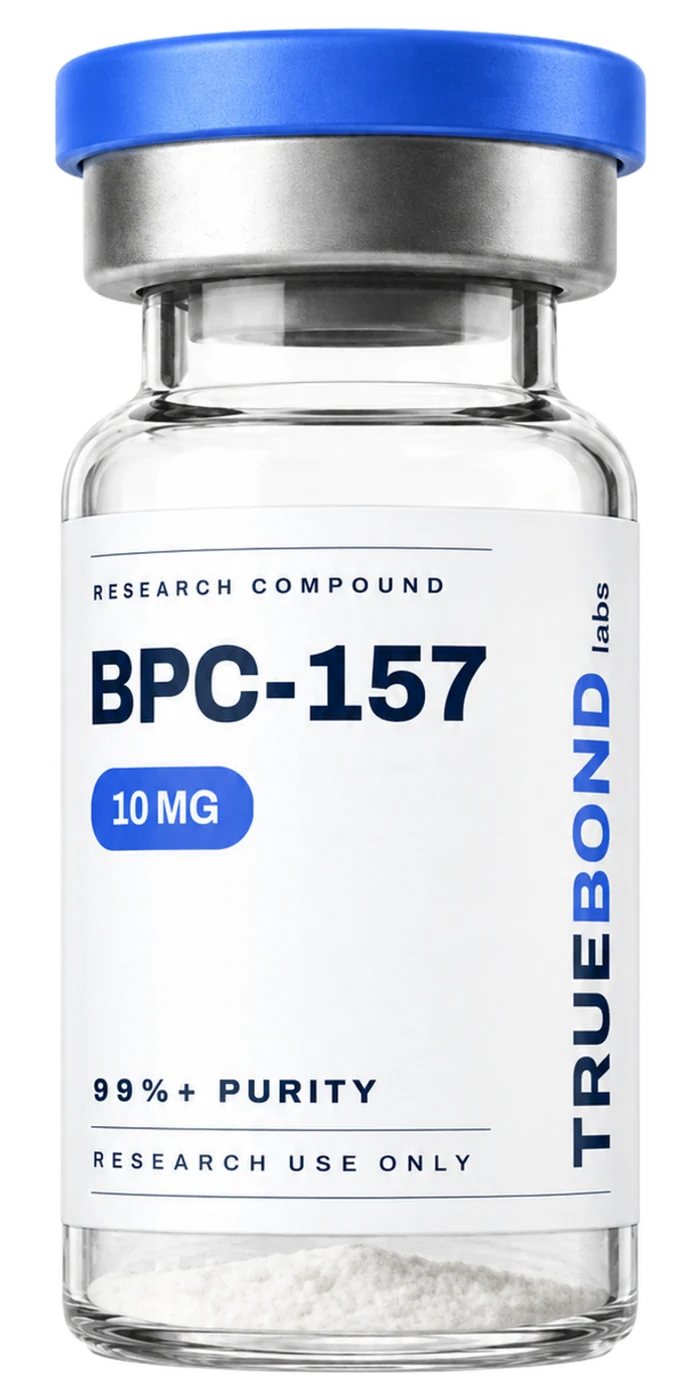
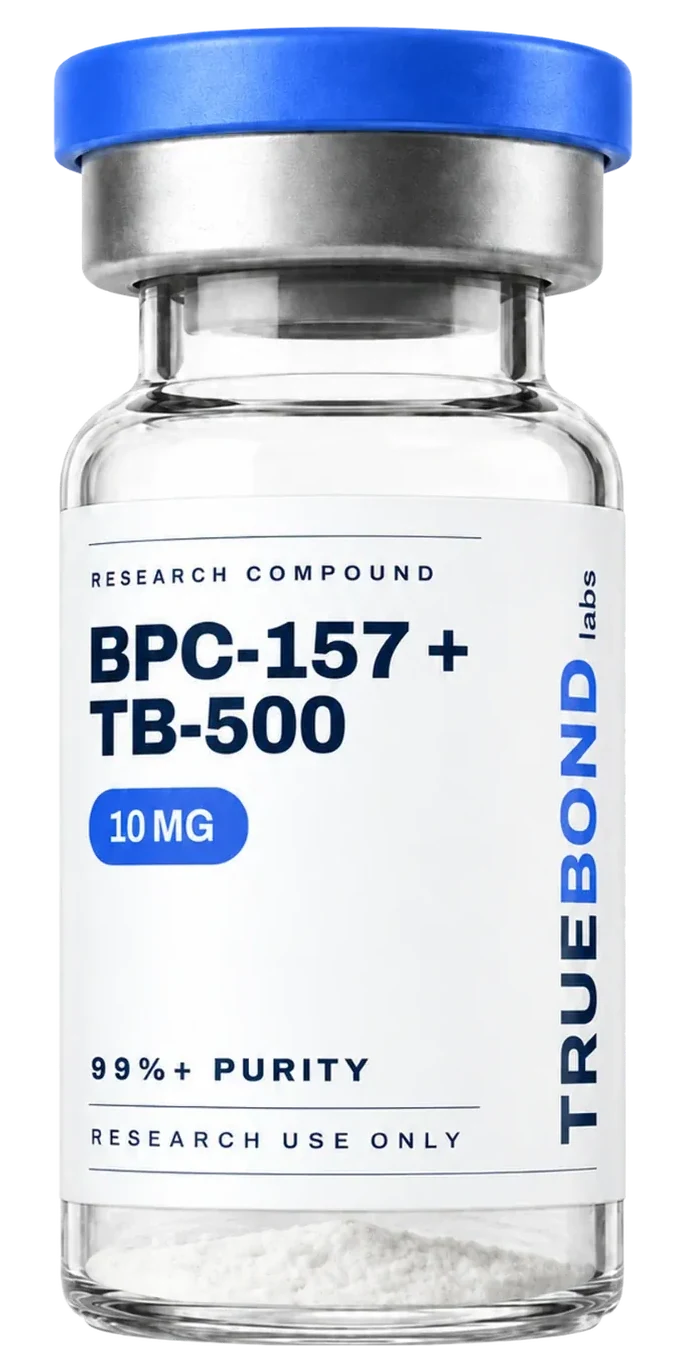
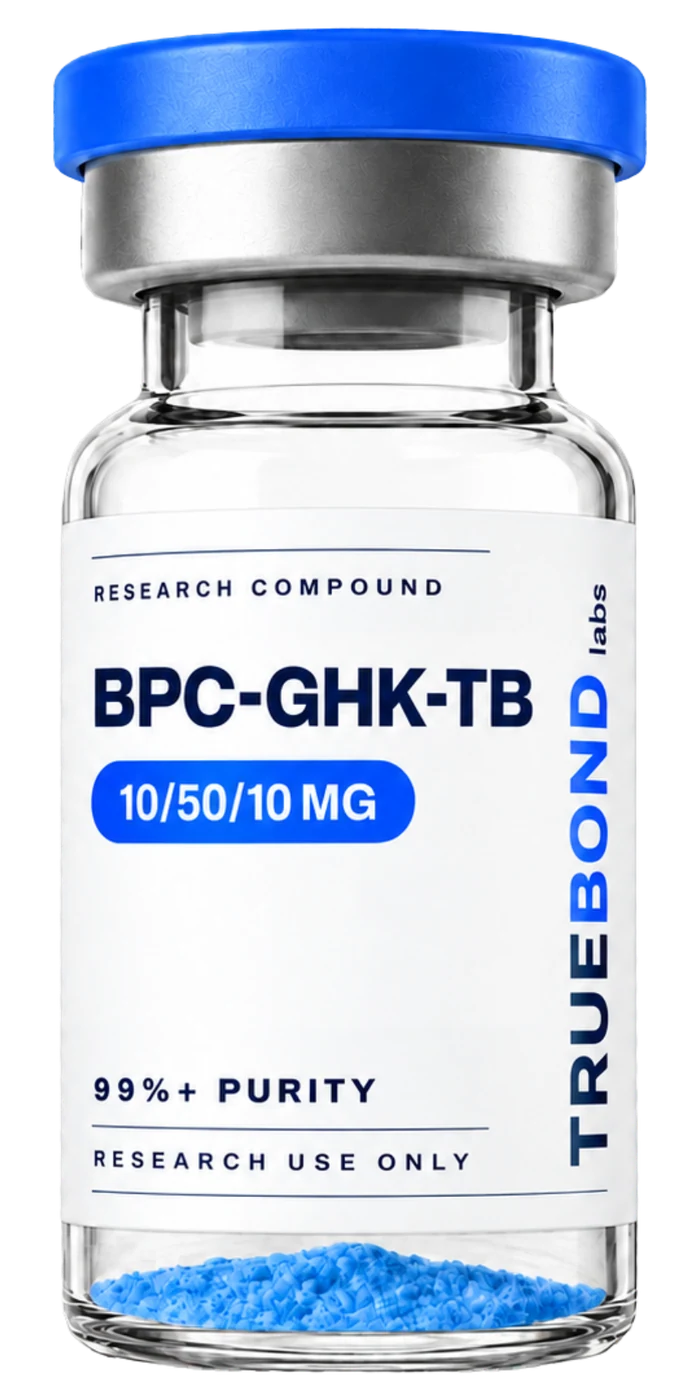
BPC-157, TB-500 and copper peptides
BPC-157 is a 15-amino-acid peptide, GHK-Cu is a copper-binding tripeptide, and KPV is a tripeptide derived from alpha-MSH.
Growth-hormone-axis peptides
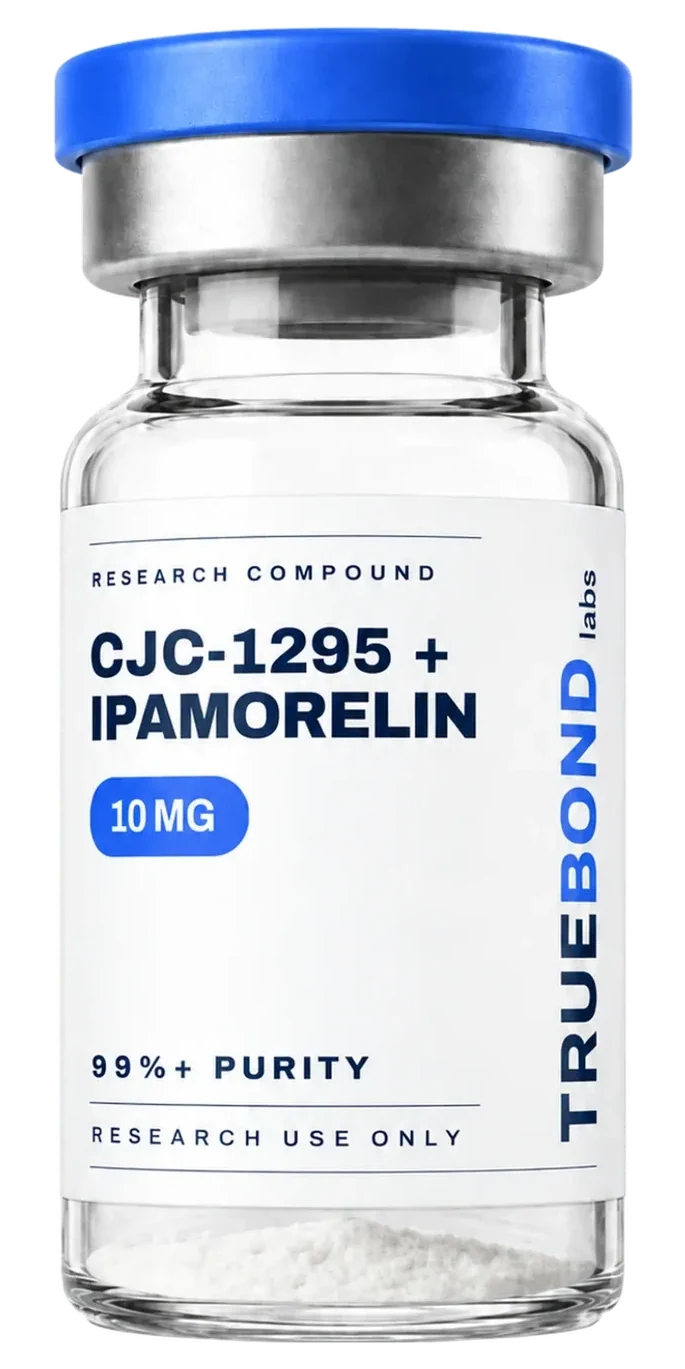
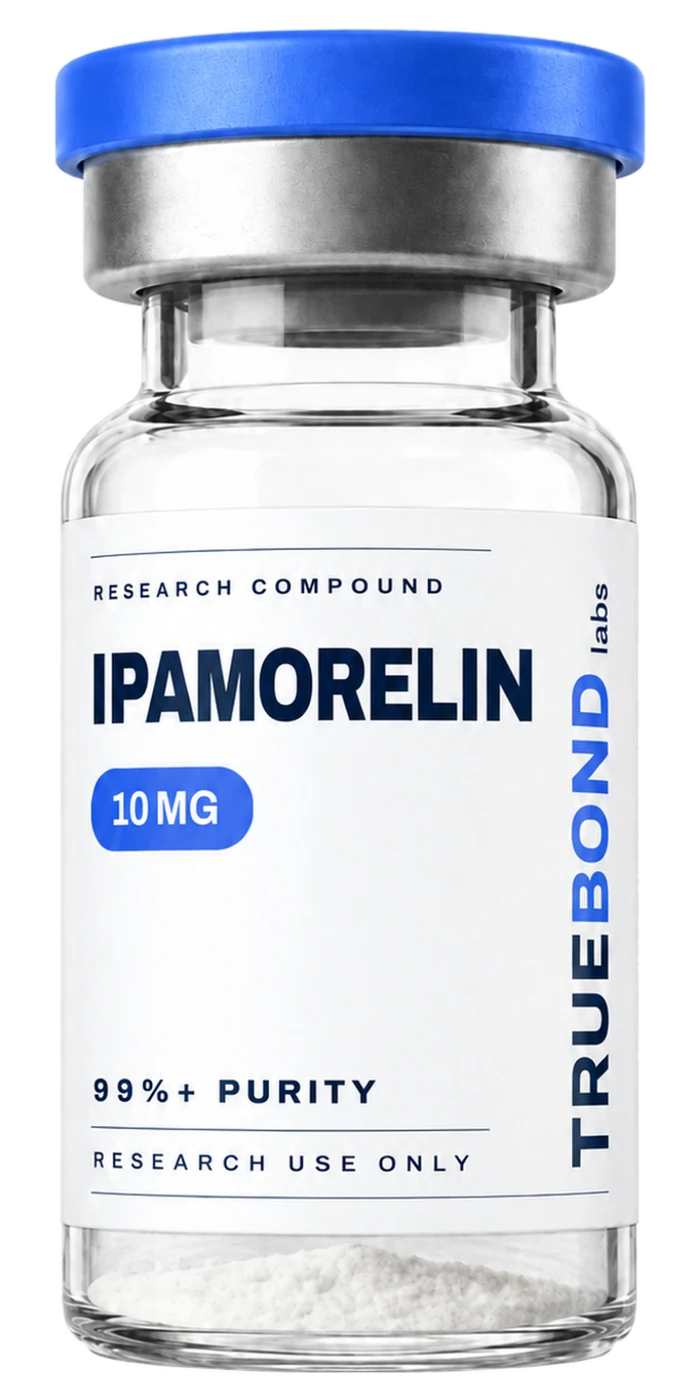
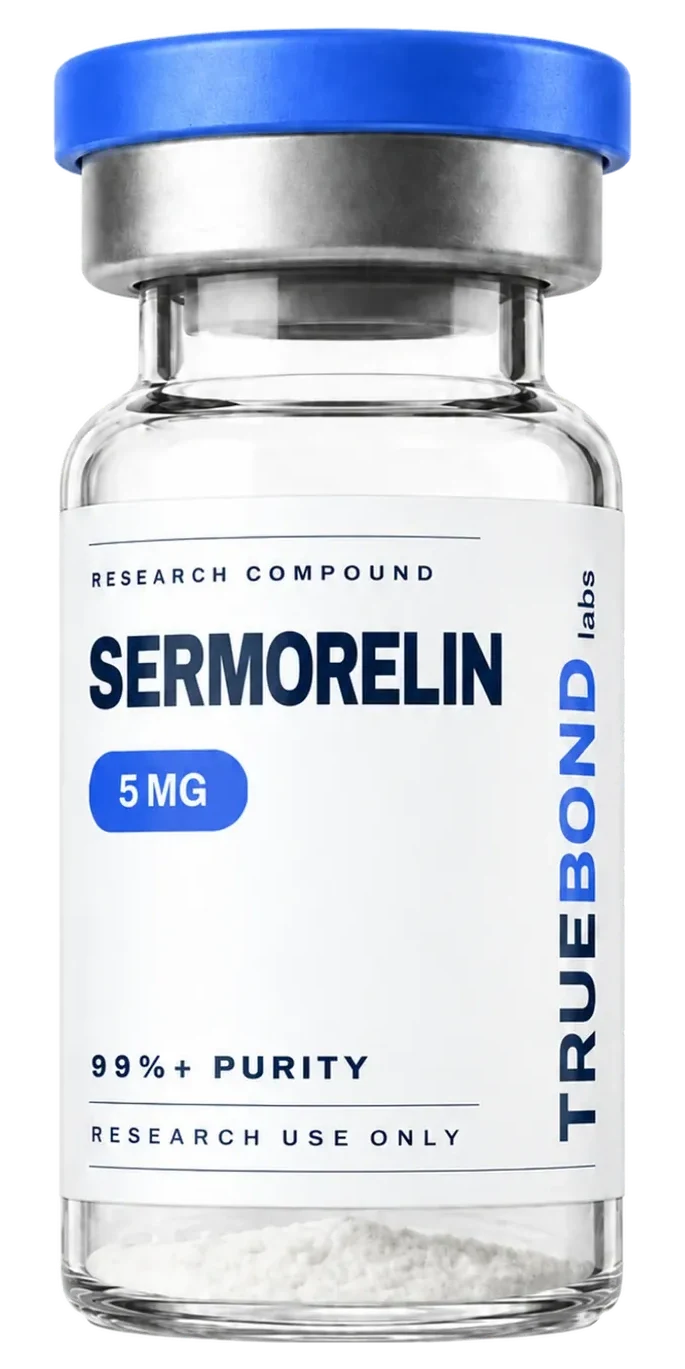
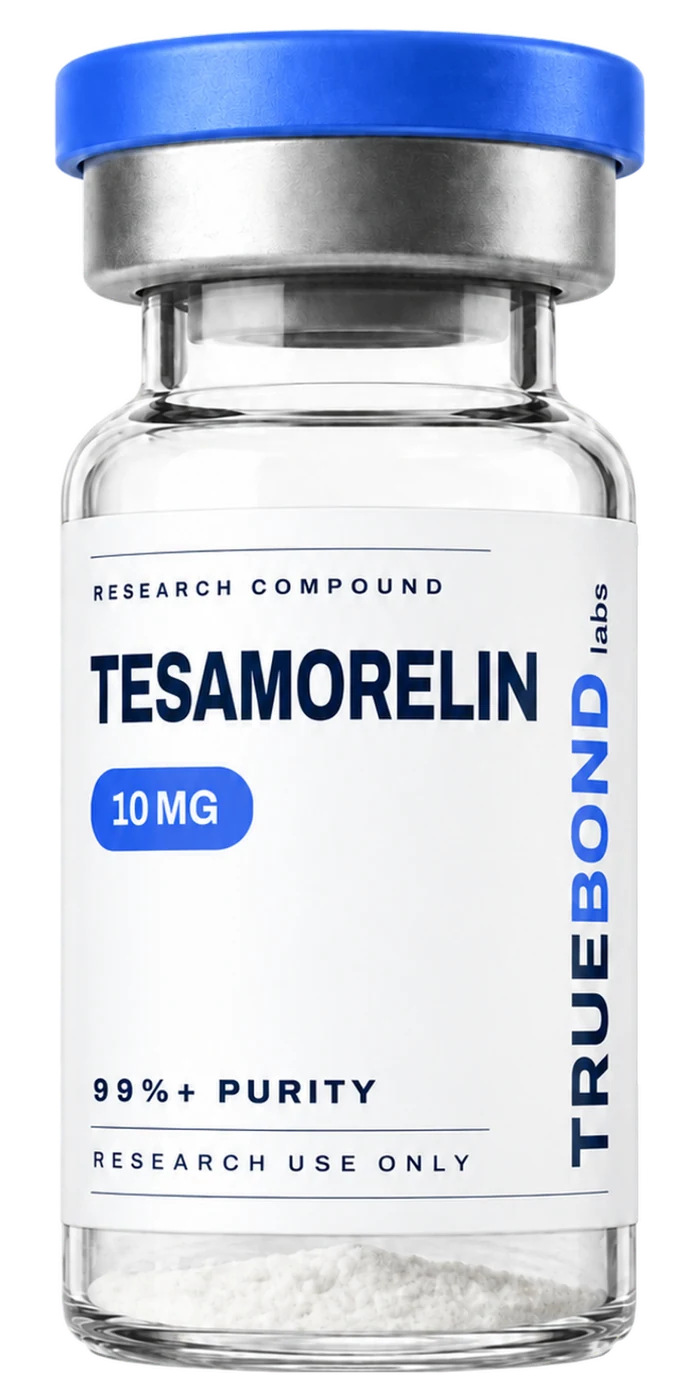
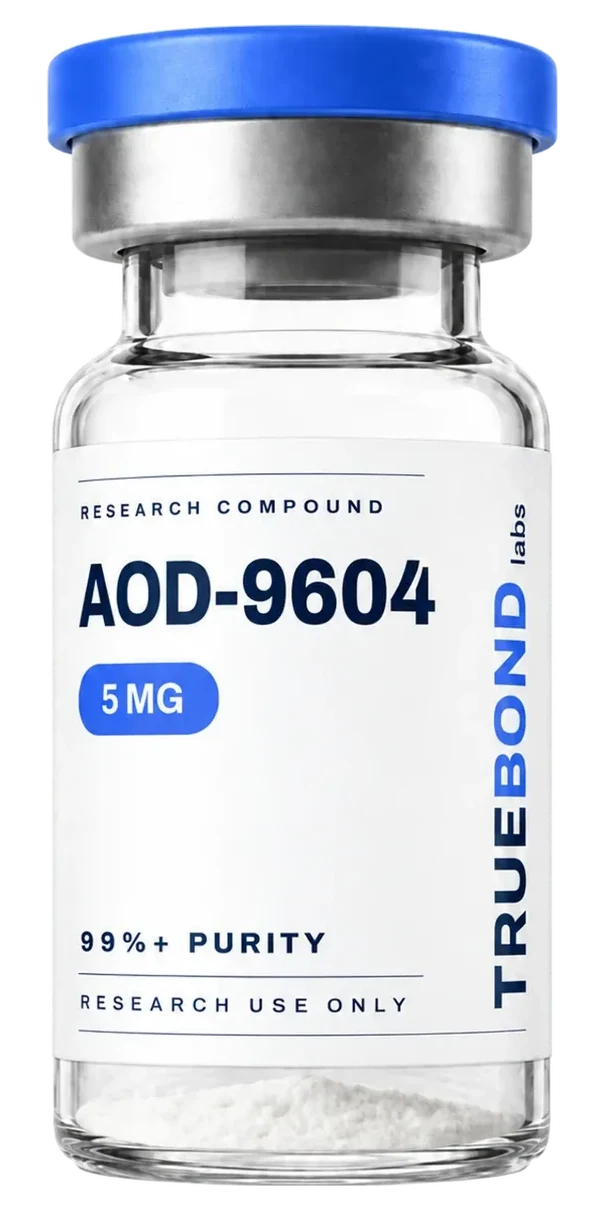
GRF (1-29) and its analogues, plus secretagogues such as ipamorelin, which appear in published research on growth-hormone-axis signaling. AOD-9604 is a modified hGH fragment.
Mitochondrial research
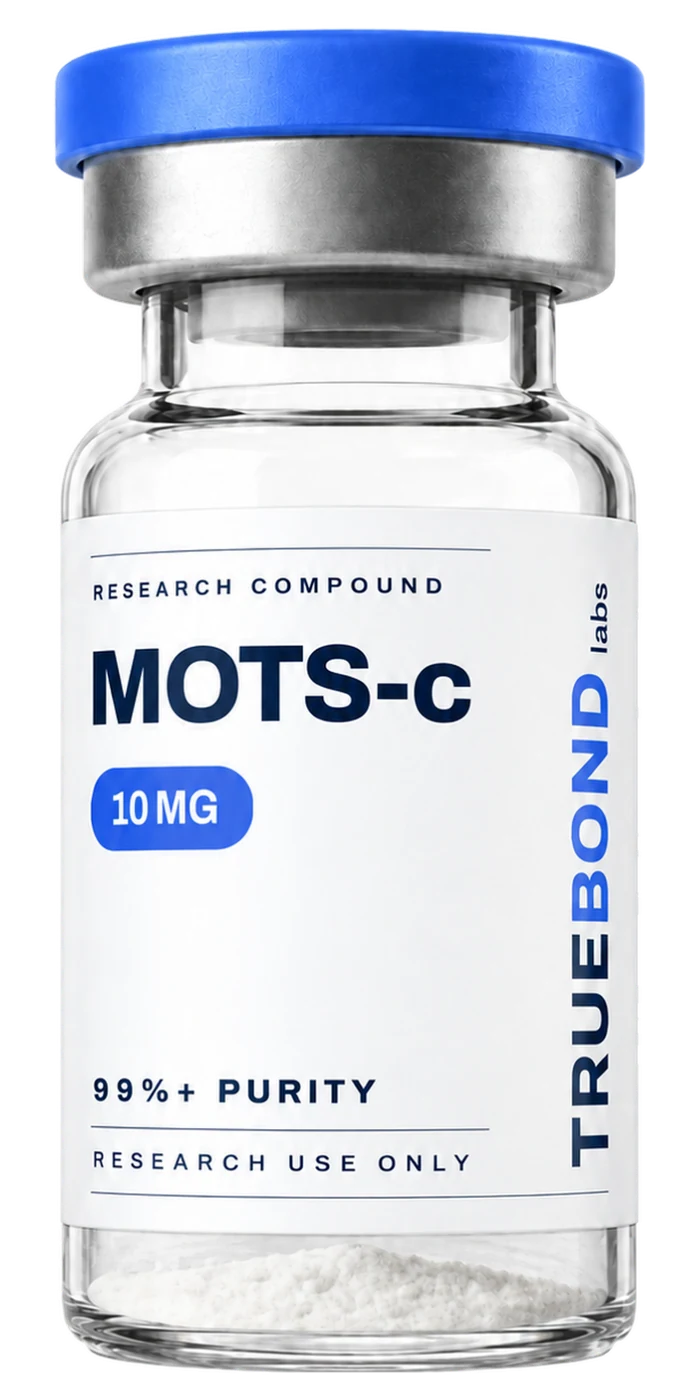
MOTS-c is a mitochondrial-derived peptide that appears in research on mitochondrial biology.
GLP-class and amylin-class research peptides
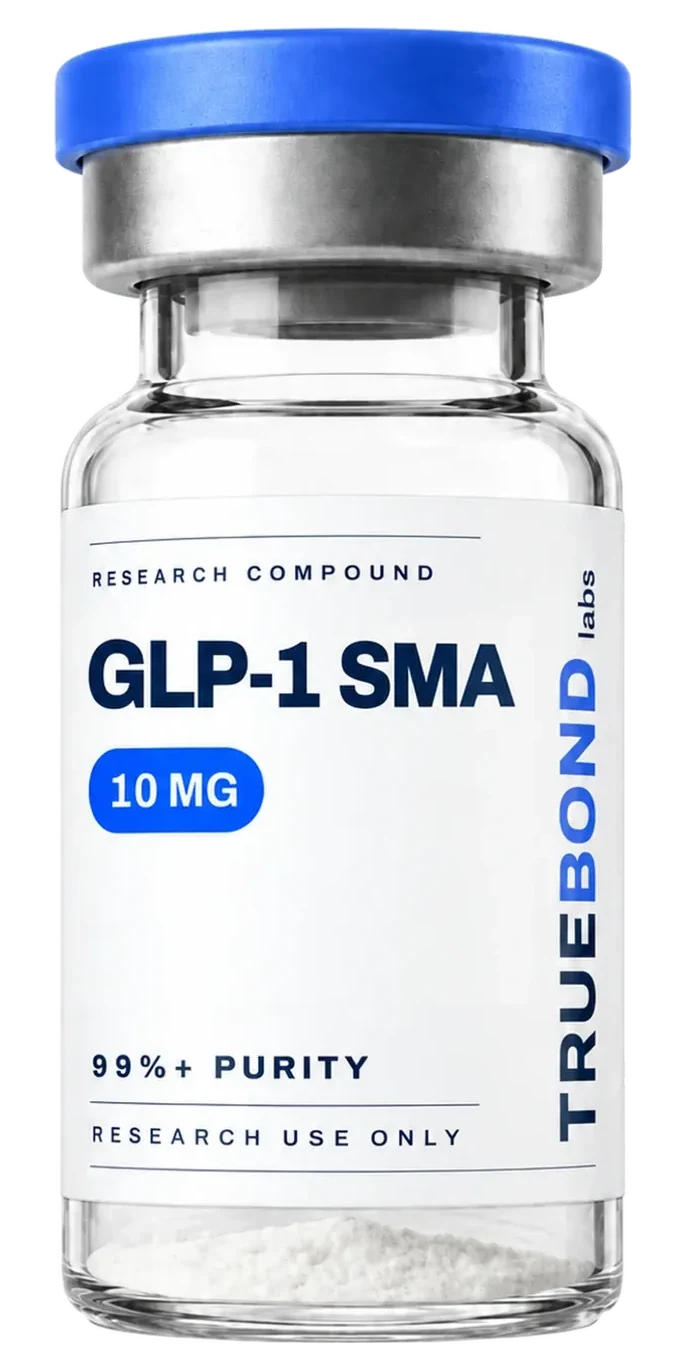
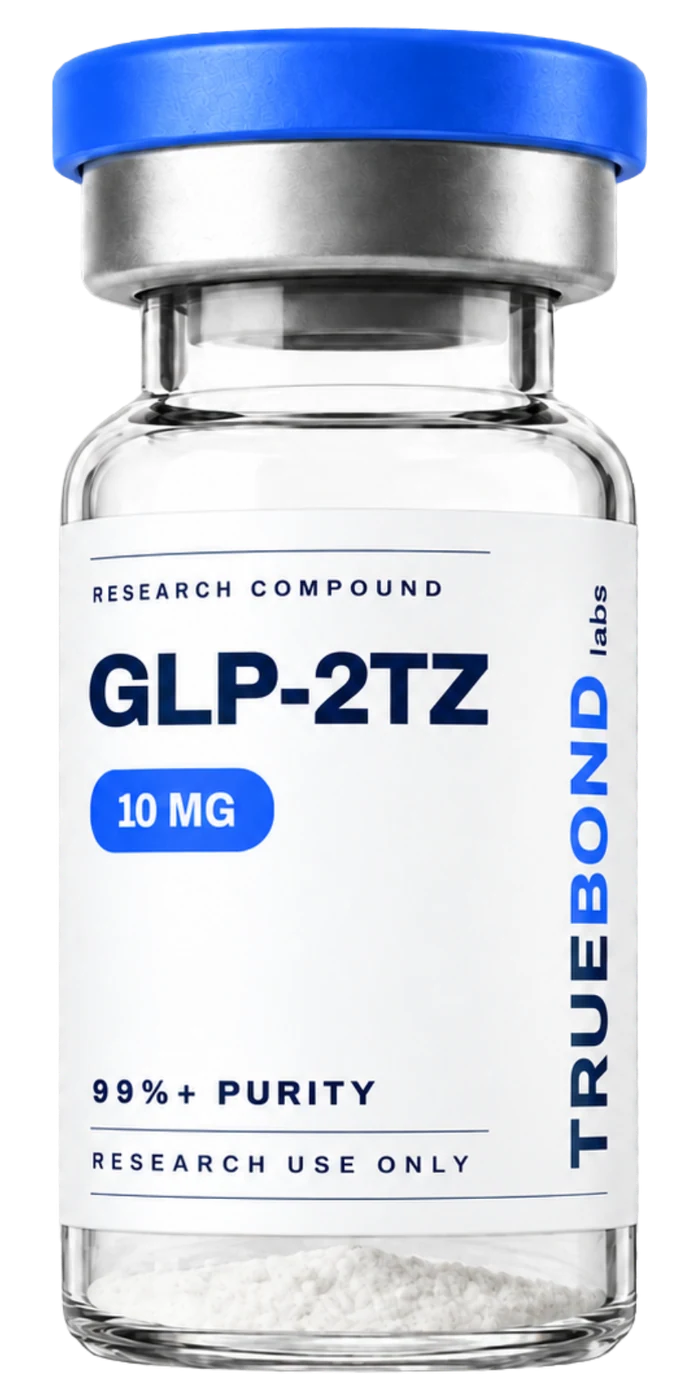
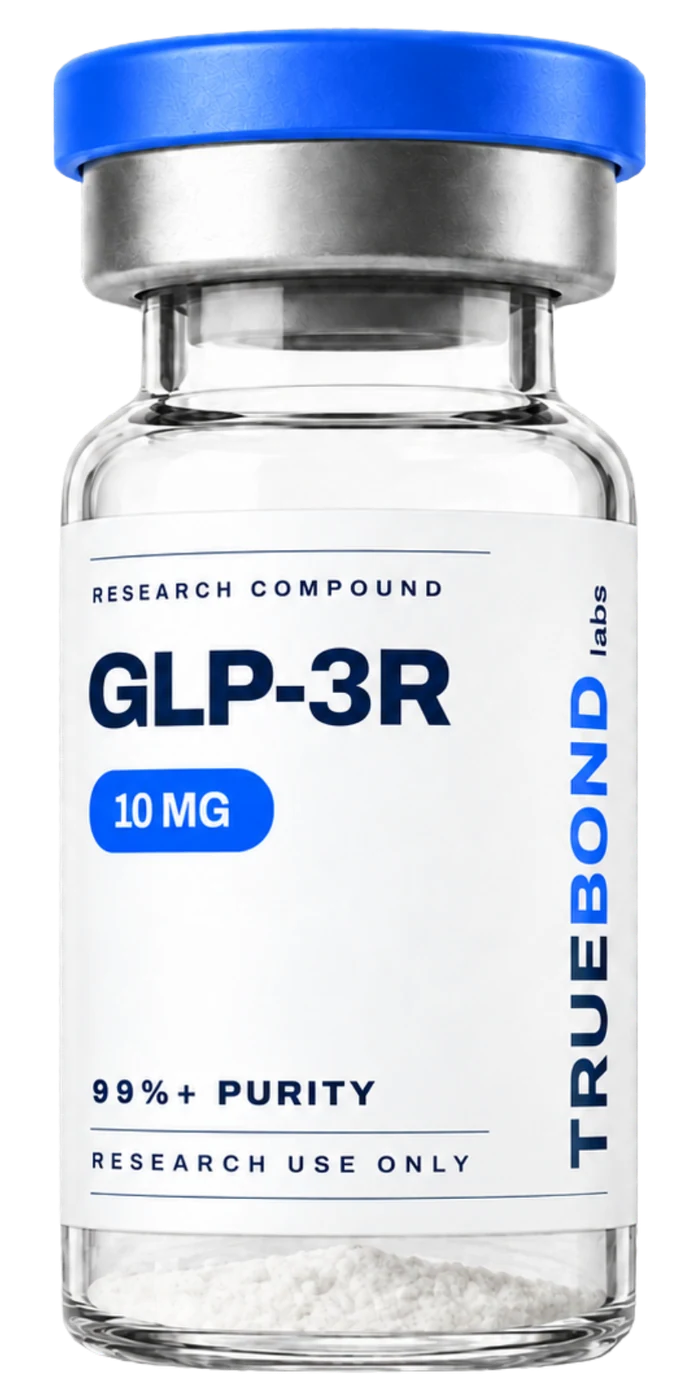
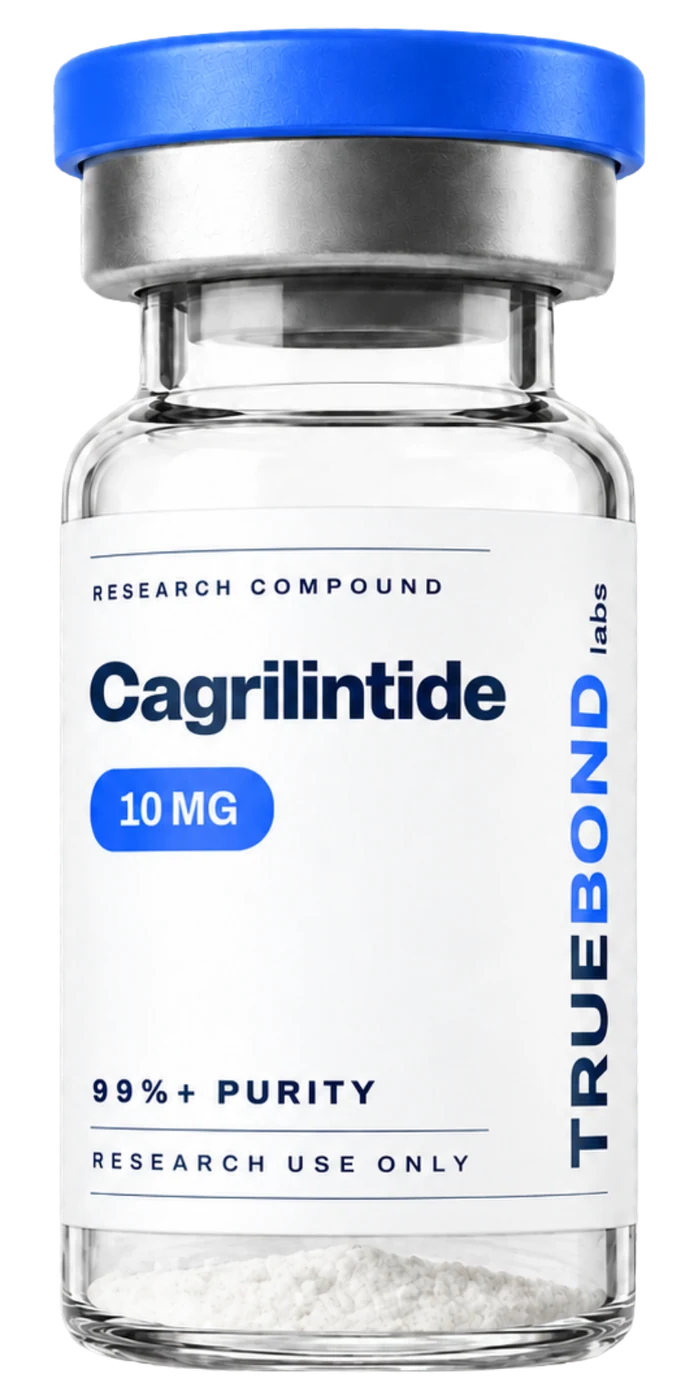
Coded GLP-class research peptides, and cagrilintide, an amylin analogue.
Melanocortin and neuropeptide research
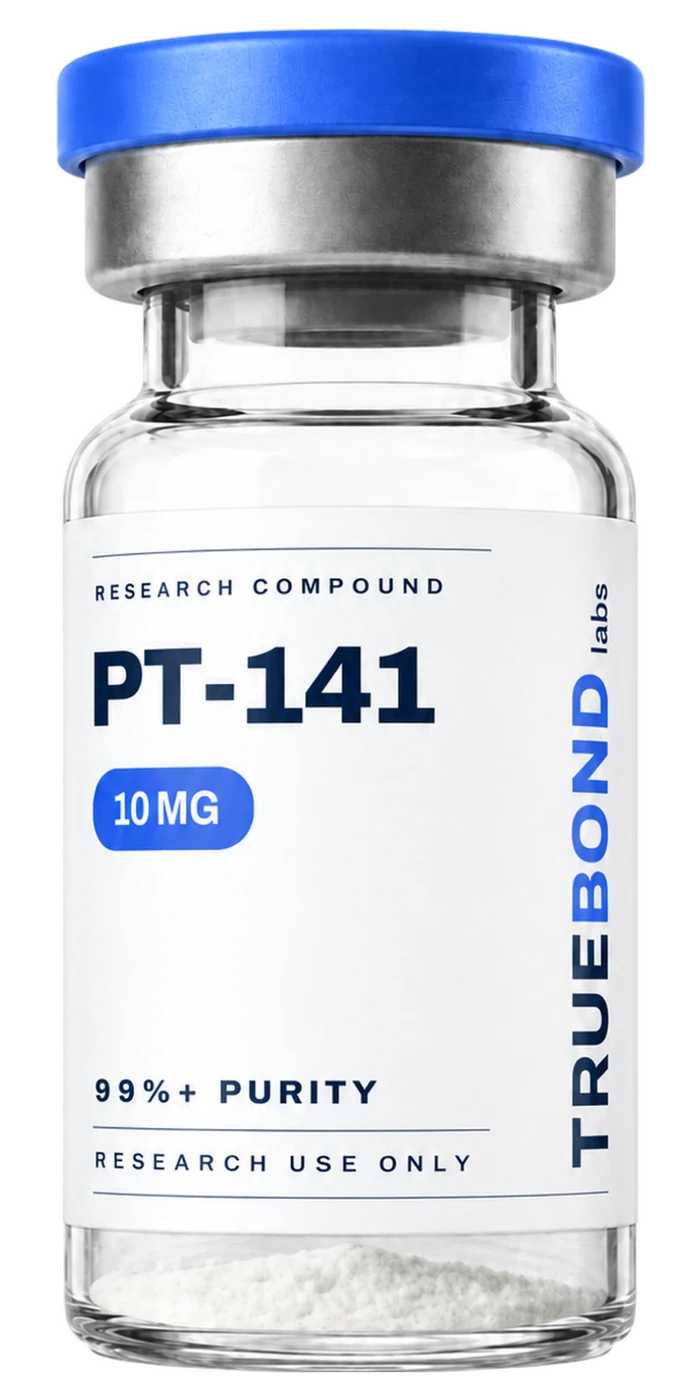
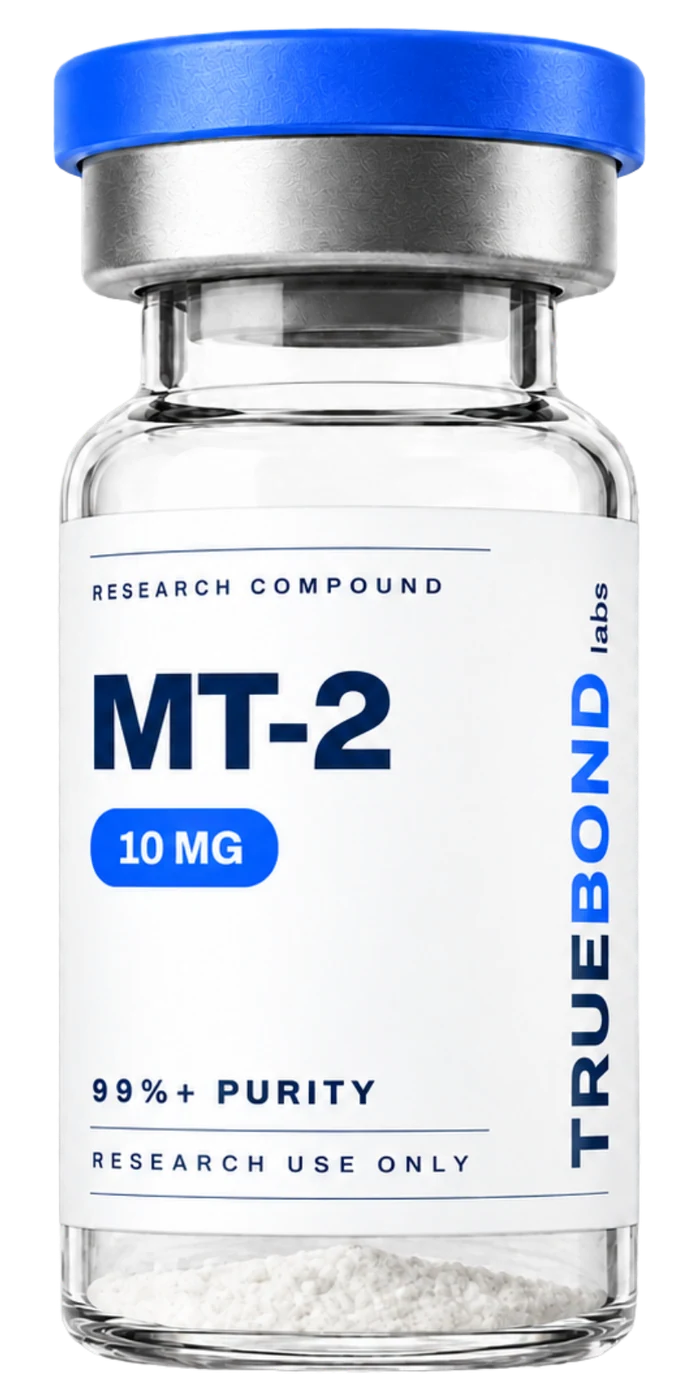
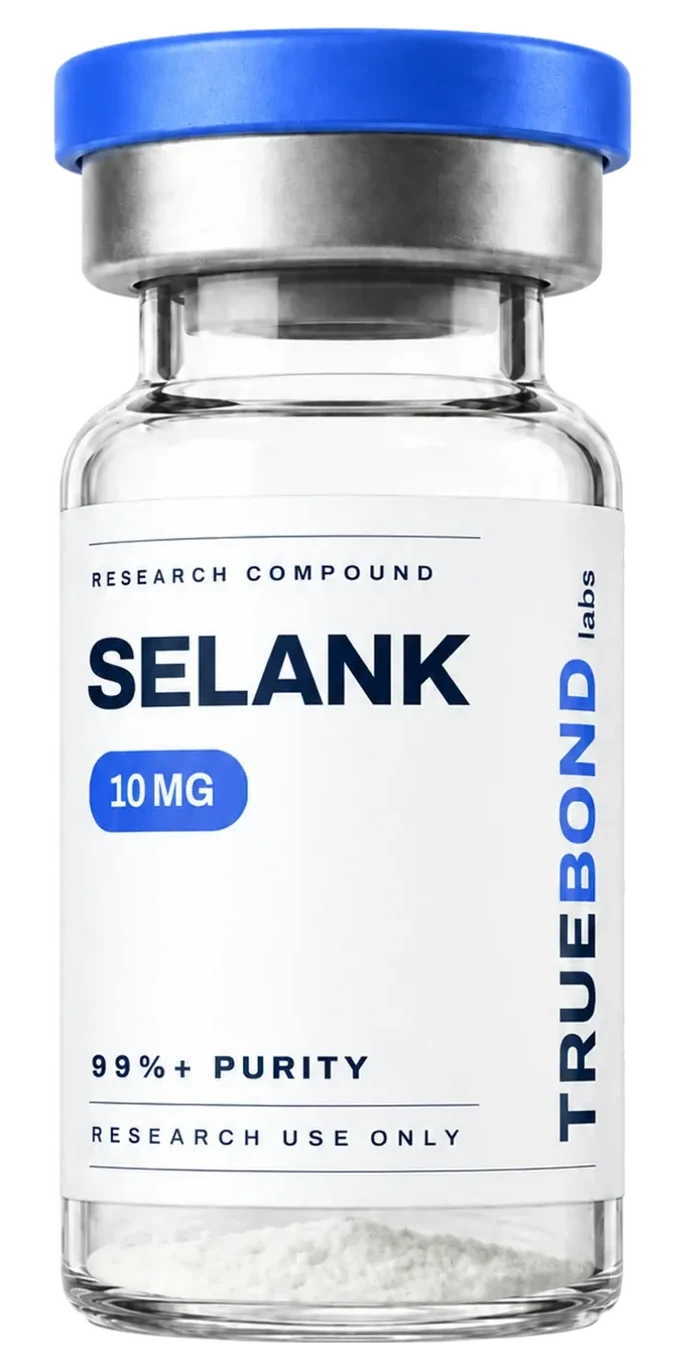
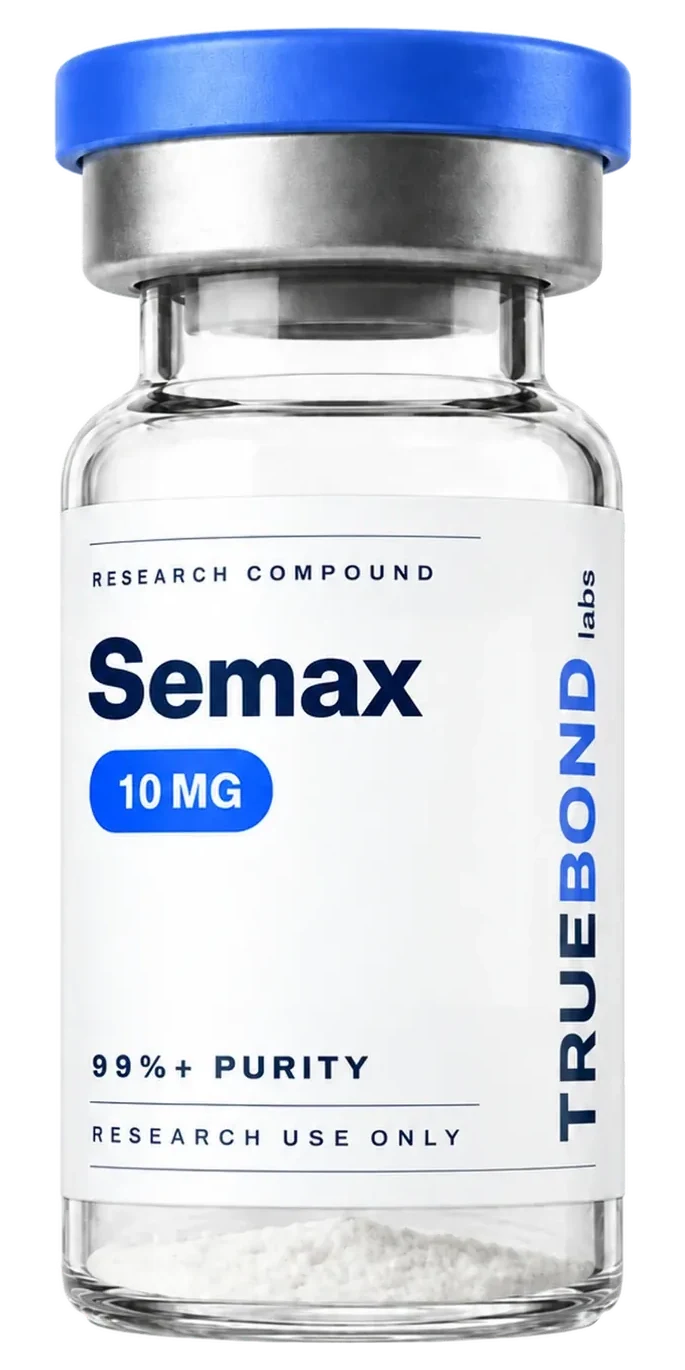
PT-141 and Melanotan 2 appear in research on melanocortin receptor biology. Selank and Semax are heptapeptides from neuropeptide research.
What makes a peptide a research peptide
A peptide is a short chain of amino acids. BPC-157 has 15. GHK-Cu and KPV have three each. A research peptide is one made by synthesis and sold as a material for in-vitro laboratory work, not as a product for human or animal use.
That label makes documentation the whole job. A lab needs to know what's in the vial, how pure it is, and that the vial in hand matches the record. So every peptide we sell ships as lyophilized powder in a sealed 3 mL vial, with its lot code printed on the label.
How to judge a research peptide supplier
Check five things. First, certificates tied to lot codes from a lab the supplier names. Our third-party tested peptides page shows what a good one contains. Second, a clear country of origin. Third, a real phone number and email with a stated reply time.
Fourth, plain storage information. Sealed lyophilized vials like ours keep 24+ months at −20°C (−4°F), away from light, with no repeated freeze/thaw. Fifth, how the seller talks. A supplier that promises outcomes or gives directions for using a product isn't selling it as a research material, and that should make you cautious.
Research Peptides: questions we get
What does research use only mean?
It means the product is sold as a material for in-vitro laboratory work and is not for human or animal use. We don't give instructions for using any product. Our pages stick to what each compound is, how it was tested, how to store it and how it ships.
Who can buy research peptides?
Our research peptides are sold for laboratory research use only, not for human or animal use, and only to buyers 21 and over. Rules differ from place to place and between institutions, and you're responsible for following the ones that apply where you work.
Are all of your research compounds peptides?
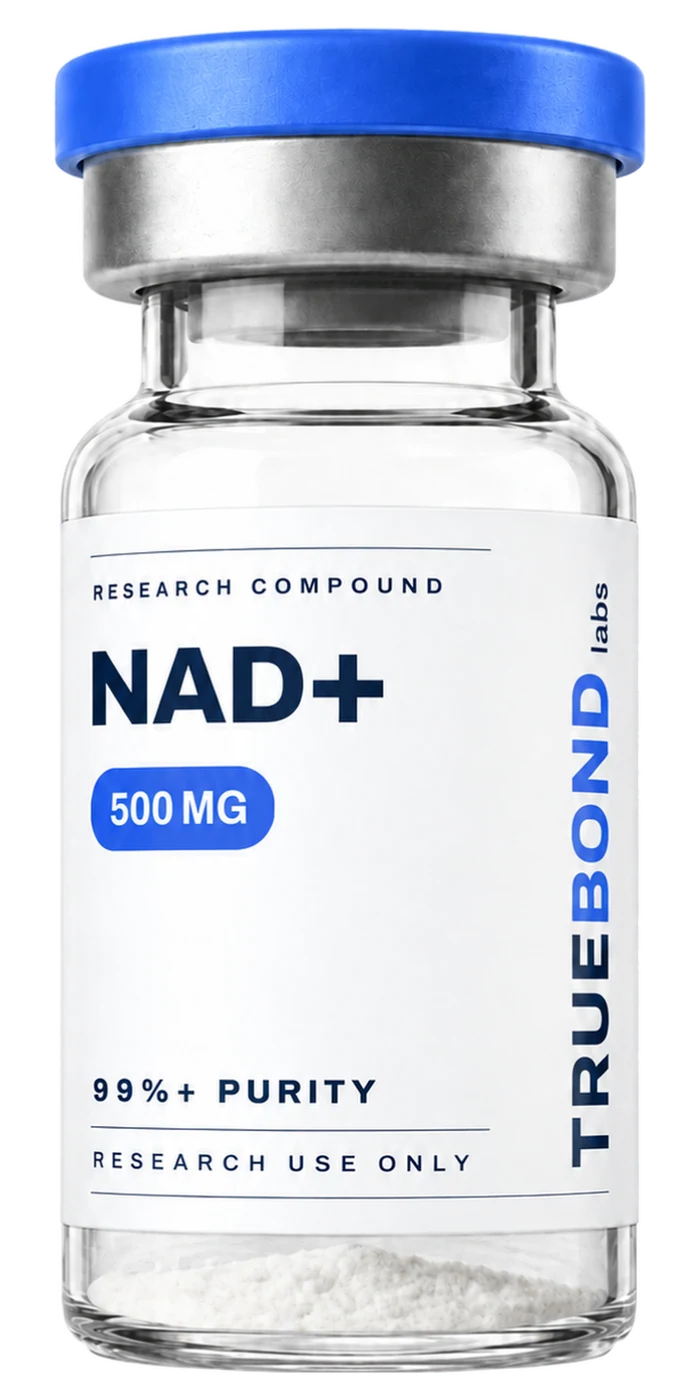
No, and we label them accurately. NAD+ is a dinucleotide coenzyme, not a peptide, and our NAD+, MOTS-c and 5-Amino-1MQ blend includes one small molecule. Everything else in the catalog is a peptide, from three-residue KPV to the longer GRF analogues.
What does lyophilized mean?
Lyophilized means freeze-dried. The peptide is frozen and the water is drawn off under vacuum, leaving a dry powder or cake. Selank, Semax and every other peptide we sell ships this way, sealed in a 3 mL vial.
Where can I buy research peptides online?
Here, if you want US-made vials with published lot certificates. We sell to buyers 21 and over, checkout is open to guests, and weekday orders placed before 2PM ET ship the same day. Our buy peptides online page covers ordering and delivery.
Third-party tested peptides with certificates from an independent US lab. See HPLC purity and identity by lot code, and learn how to check the vial you receive.
GoPeptides for sale, made in the USA: BPC-157, GHK-Cu, KLOW, Tesamorelin, MOTS-c and more. Lot certificates online and same-day shipping before 2PM ET.
GoBuy peptides online from a US-made catalog with published lot certificates. Guest checkout, same-day UPS shipping before 2PM ET and real support.
GoAll products are sold for laboratory research use only by buyers 21 and over. They are not for human or animal use. Information on this page describes the products and how we test and ship them; it is not a claim of any effect.