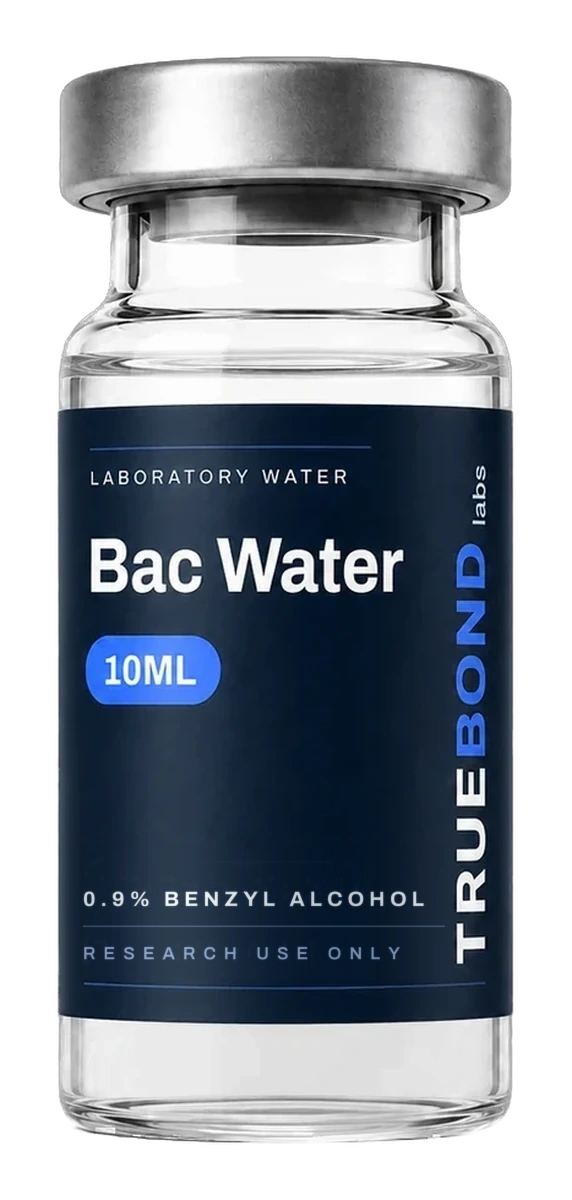
Bacteriostatic Water 10mL in the literature
Some laboratories would rather not have 30 mL of diluent open at once. The 10 mL vial exists for them: the same sterile water with 0.9% benzyl alcohol, in a fill sized to a smaller working volume. The benzyl alcohol is a preservative that holds back microbial growth inside the vial after the septum is punctured, which is what separates bacteriostatic water from plain preservative-free sterile water and lets one vial support more than a single withdrawal.
The reason to take the smaller vial is turnover, not price. A 10 mL fill is drawn down faster, so less time passes between the first puncture and the last, and a bench reconstituting one or two peptides at a time may simply never need the volume a 30 mL vial holds. Per millilitre the two are priced identically, which means nothing is saved by trading down and nothing is paid for the smaller format. The same volume pricing applies here too: 5% off at 2+ vials, 10% at 5+, 15% at 10+, and 20% at 15+.
This vial is supplied sterile and for research use only. TrueBond Labs does not publish a certificate of analysis for the 10 mL fill — the diluent lot record on file covers the 30 mL vial, and we would rather say so than point this page at documentation the vial did not come from. Storage is straightforward: room temperature, sealed until needed, no freezer or refrigerator involved. Peptide solutions prepared with it still belong at 2–8°C.
All information is provided for educational context on laboratory research only and is not a claim of therapeutic effect. This product is not for human or animal use.
Curated sets, one tap to add
Every peptide vial still ships with its own lot COA.
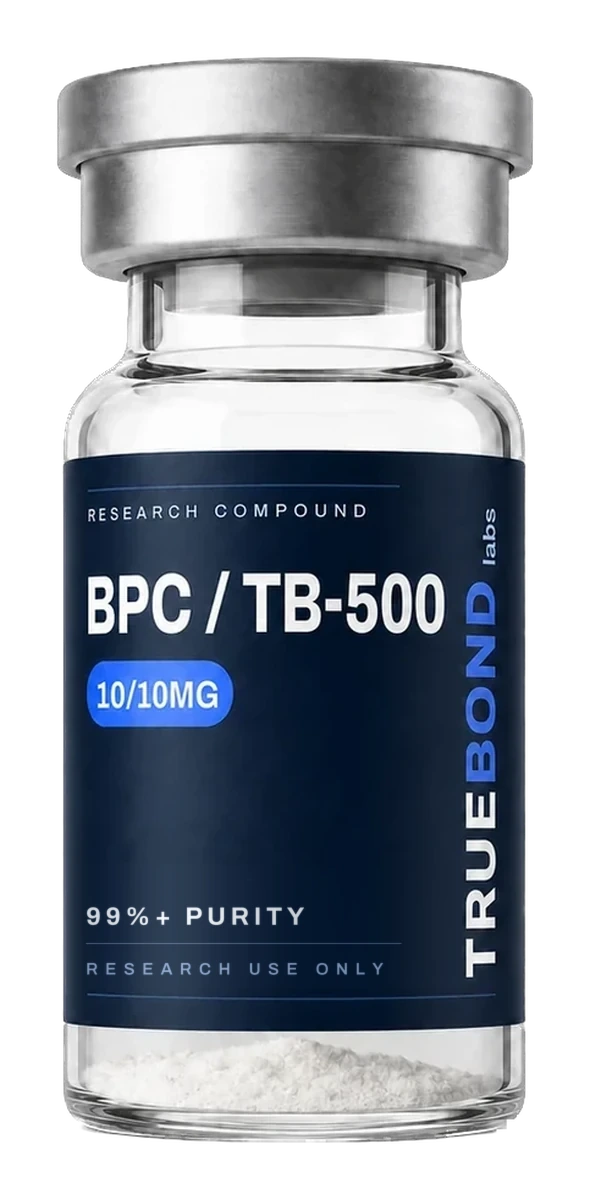
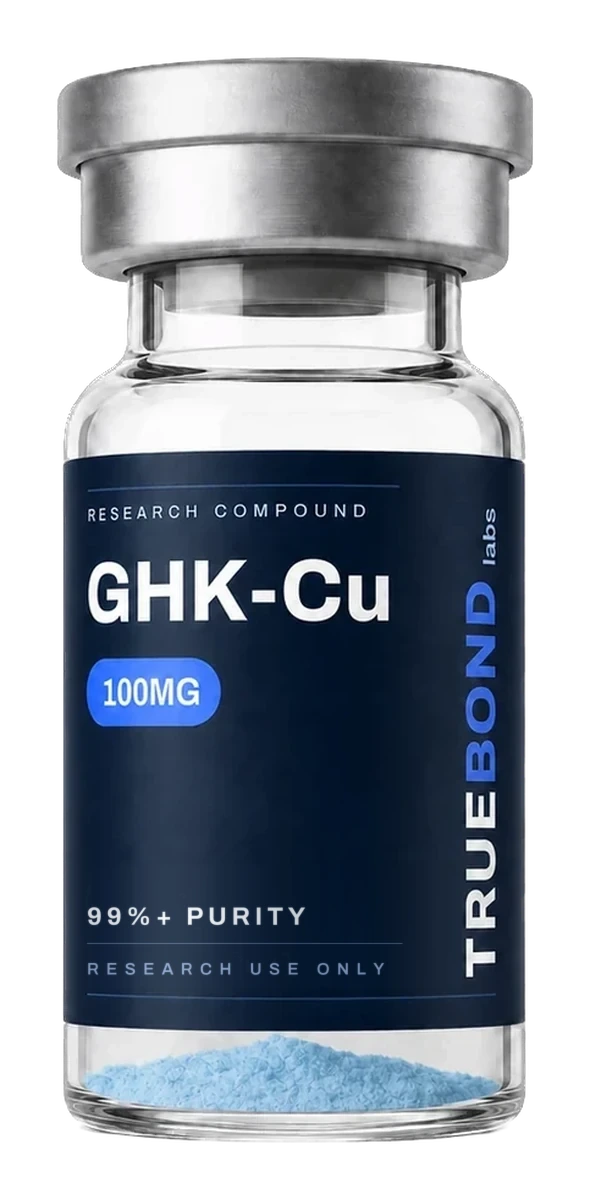
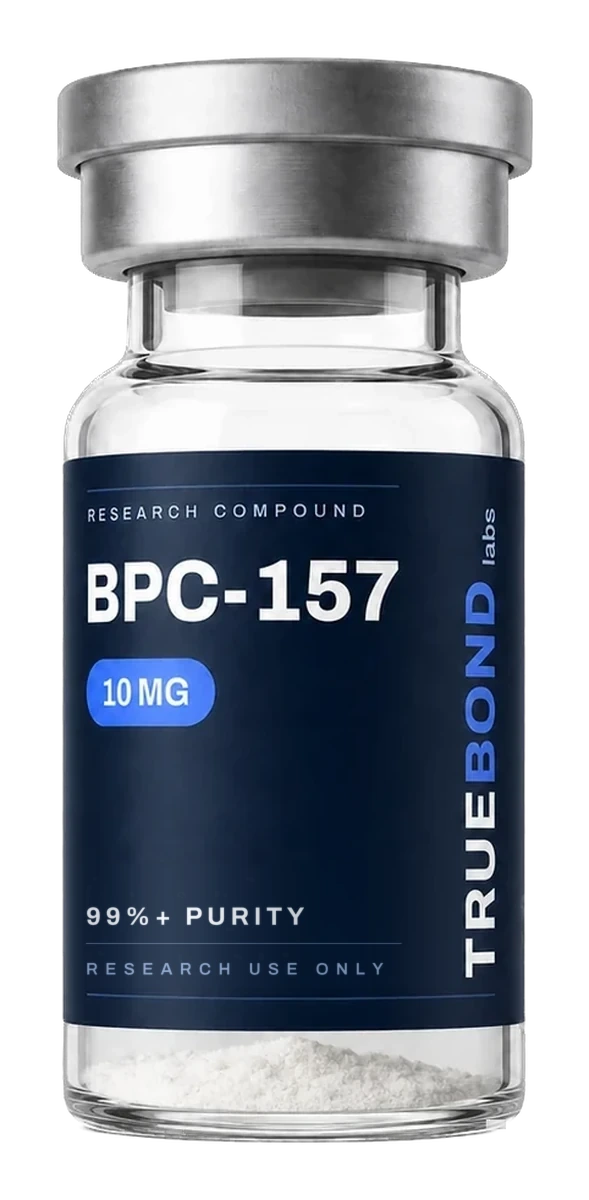
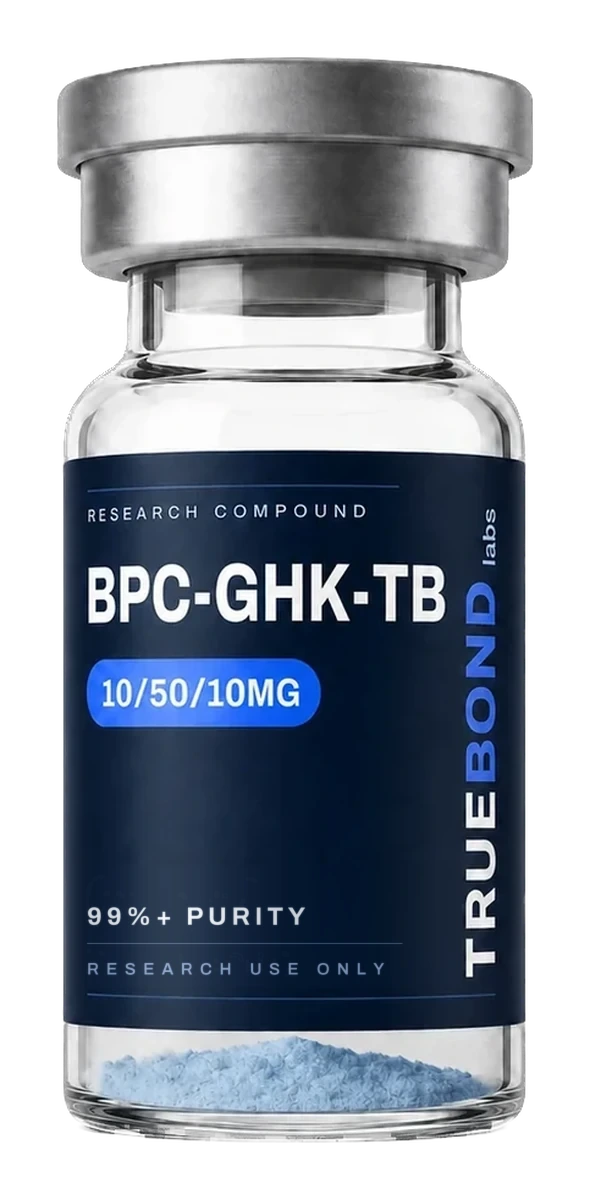
BPC-157 / TB-500 + GHK-Cu Stack
The BPC-157 / TB-500 dual blend with GHK-Cu copper peptide, plus sterile diluent for reconstitution.
- BPC-157 / TB-500 · 10/10 mg$48.74
- GHK-Cu · 100 mg$28.49
- Bacteriostatic Water 30mL$20.24
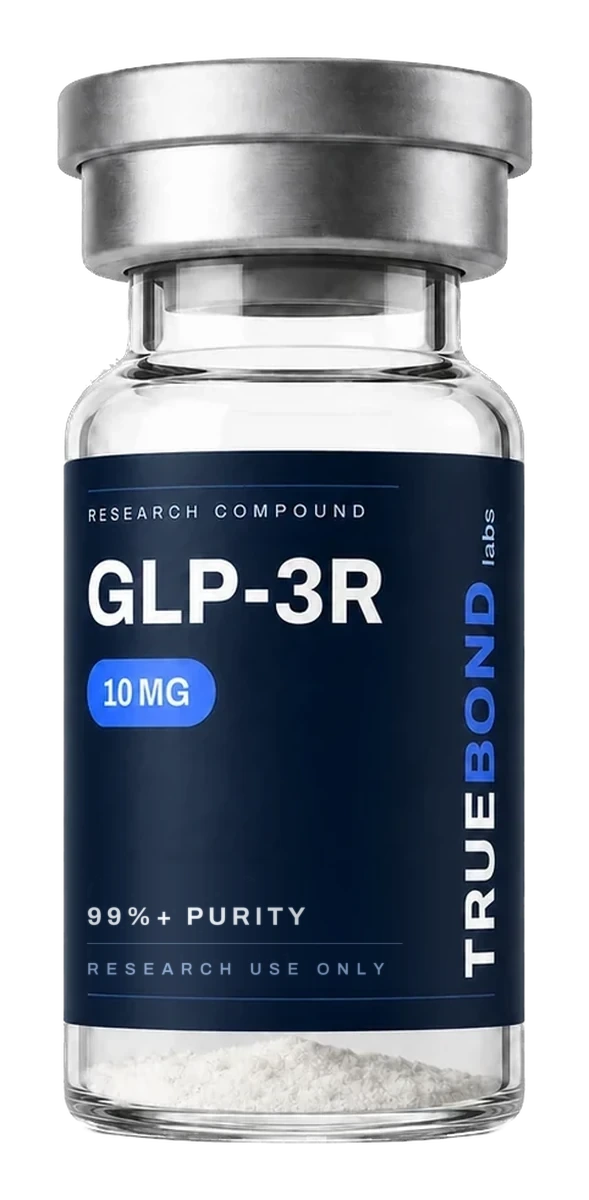
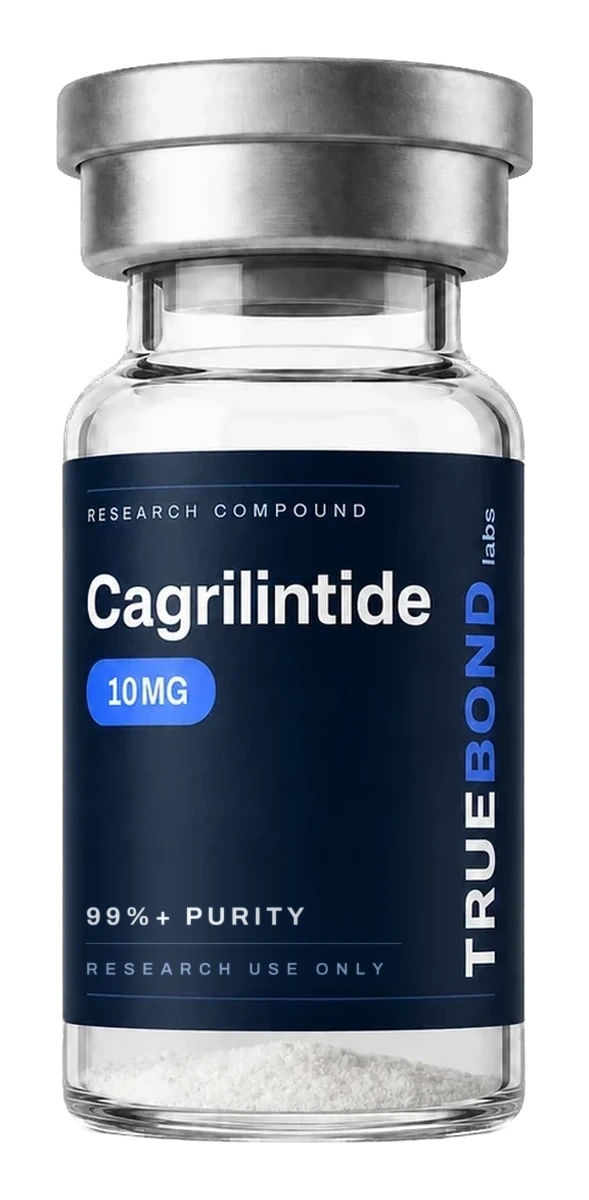
GLP-3R + Cagrilintide Stack
GLP-3R triple-agonist-class compound paired with the amylin-analogue cagrilintide, plus sterile diluent.
- GLP-3R · 10 mg$48.74
- Cagrilintide · 10 mg$41.24
- Bacteriostatic Water 30mL$20.24
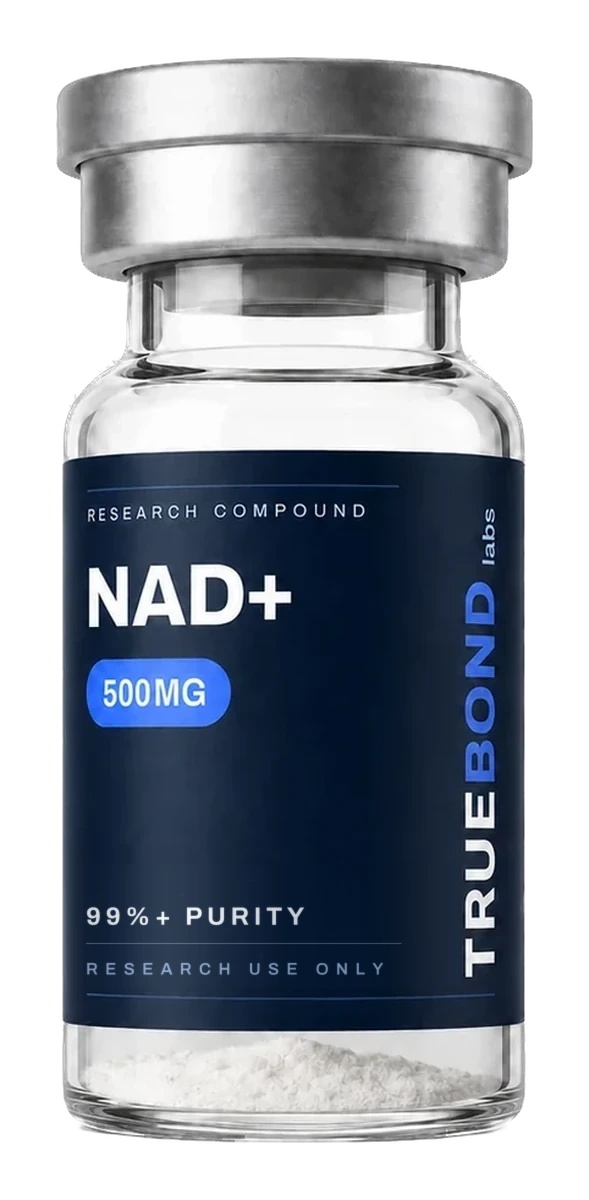
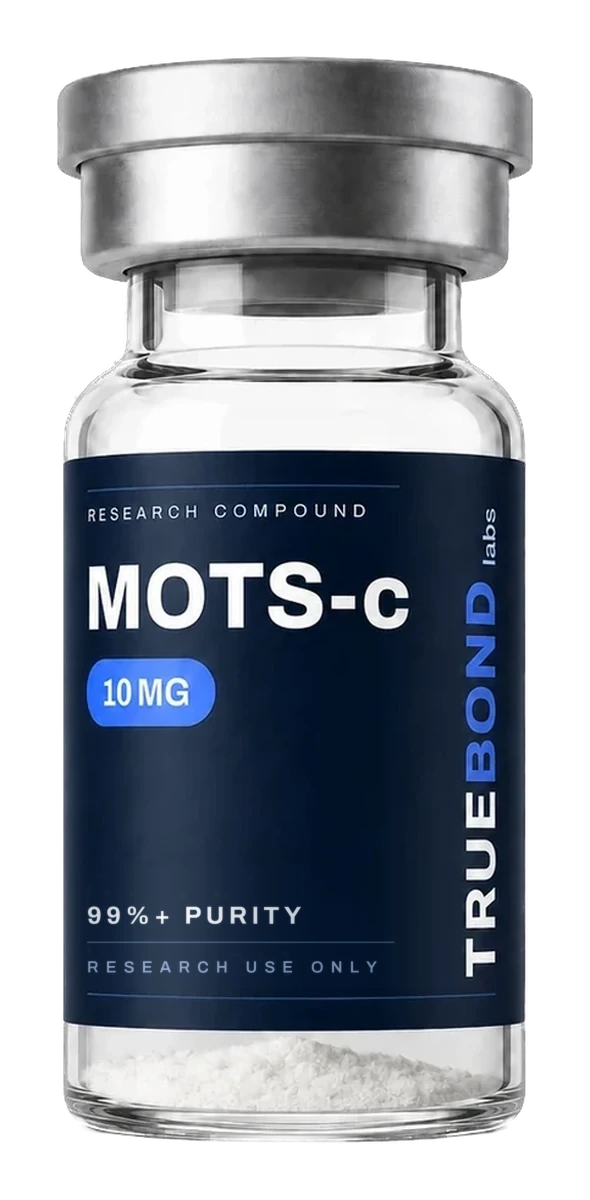
NAD+ + MOTS-c Stack
NAD+ 500mg alongside mitochondrial-derived MOTS-c, plus sterile diluent for reconstitution.
- NAD+ · 500 mg$44.99
- MOTS-c · 10 mg$33.74
- Bacteriostatic Water 30mL$20.24
Compare on what's verifiable
Documentation, not promises.
Product & terms of sale
Contents
Bacteriostatic Water (10 mL), supplied as sterile solution for laboratory research applications.
Intended use
This product is sold strictly for in-vitro laboratory research by qualified professionals. It is not for human or animal consumption, and no usage instructions are provided or implied.
Legal disclaimer
Not evaluated or approved by the FDA. Nothing on this page constitutes a claim of therapeutic, diagnostic, or preventive benefit. See our full research disclaimer.
Terms of sale
By purchasing, you affirm you are a qualified researcher (21+) and accept our Terms & Conditions and research-use-only requirements.
Bacteriostatic Water 10mL — frequently asked questions
Who is the 10 mL vial for?
Researchers who want a smaller working volume of diluent open at one time. A bench reconstituting one or two lyophilized peptides will often finish a 10 mL vial well before it would finish a 30 mL, which keeps the interval between first and last withdrawal short. It is the same solution in both vials, sold for laboratory research only.
Is the 10 mL vial cheaper per millilitre than the 30 mL?
No. TrueBond Labs prices both vials at the same rate per millilitre on purpose, so the 10 mL is neither a discount format nor a penalty for buying small. Choose the size by how much diluent you want open at once. Quantity is where price moves: 5% off at 2+ vials, 10% at 5+, 15% at 10+, and 20% at 15+.
What is the difference between bacteriostatic water and sterile water?
The benzyl alcohol. Bacteriostatic water contains 0.9% benzyl alcohol, which holds back microbial growth after the vial's septum is first punctured, so a single vial can support multiple laboratory withdrawals. Preservative-free sterile water offers no such protection and is generally treated as single-use once opened.
How should the 10 mL vial be stored?
Room temperature is sufficient — no freezer or refrigerator is required for the unopened vial, which sets it apart from the lyophilized peptides it accompanies. Keep it sealed until needed and handle it with sterile technique at the bench. Peptide solutions prepared with it still require 2–8°C refrigeration.